About Us
If you live in, or are looking to buy, a flat or maisonette in a small block, fire safety might not be the first thing on your mind. However, relatively recent updates to fire safety legislation have brought many small blocks of flats strictly into the scope of fire safety regulations. This blog looks at how fire safety legislation applies to small blocks of flats, the common pitfalls managing agents face, and why getting it wrong can bring a property transaction to a grinding halt.

How the fire safety legislation effects small blocks of flats
Fire safety legislation applies not only to large, high-rise residential buildings but also to smaller blocks of flats. Following the Grenfell Tower tragedy and subsequent legislative reforms, the legal responsibilities of freeholders, management companies and managing agents have expanded significantly.
For the purposes of statutory guidance, a small blocks of flats is one limited to three storeys, comprising not more than a ground, first and second floor and containing no more than six flats.
The person or organisation with control over the common parts of a building is generally known as the "Responsible Person". This may be:
A freeholder;
A management company;
A resident management company;
A right to manage company; or
A managing agent acting on behalf of one of the above.
The Responsible Person must take reasonable steps to reduce the risk of fire and ensure occupants can safely escape in the event of an emergency. This includes commissioning a fire risk assessment (FRA) which involves an inspection to identify potential fire hazards and ensures there are adequate fire safety measures in place to keep residents and visitors safe
The government has issued guidance on making a small block of flats safe from fire which can be accessed here - https://www.gov.uk/government/publications/making-your-small-block-of-flats-safe-from-fire/a-guide-to-making-your-small-block-of-flats-safe-from-fire-accessible
Is a fire risk assessment required even if there are no internal communal areas?
There is a widespread misconception that fire risk assessments are only required if a building has shared internal communal areas, such as hallways, stairwells, or lobbies.
This assumption is incorrect. The determining factor is simply whether the building contains two or more dwellings. The fire risk assessment must consider:
The building’s structure and external walls;
Any doors or windows within those external walls;
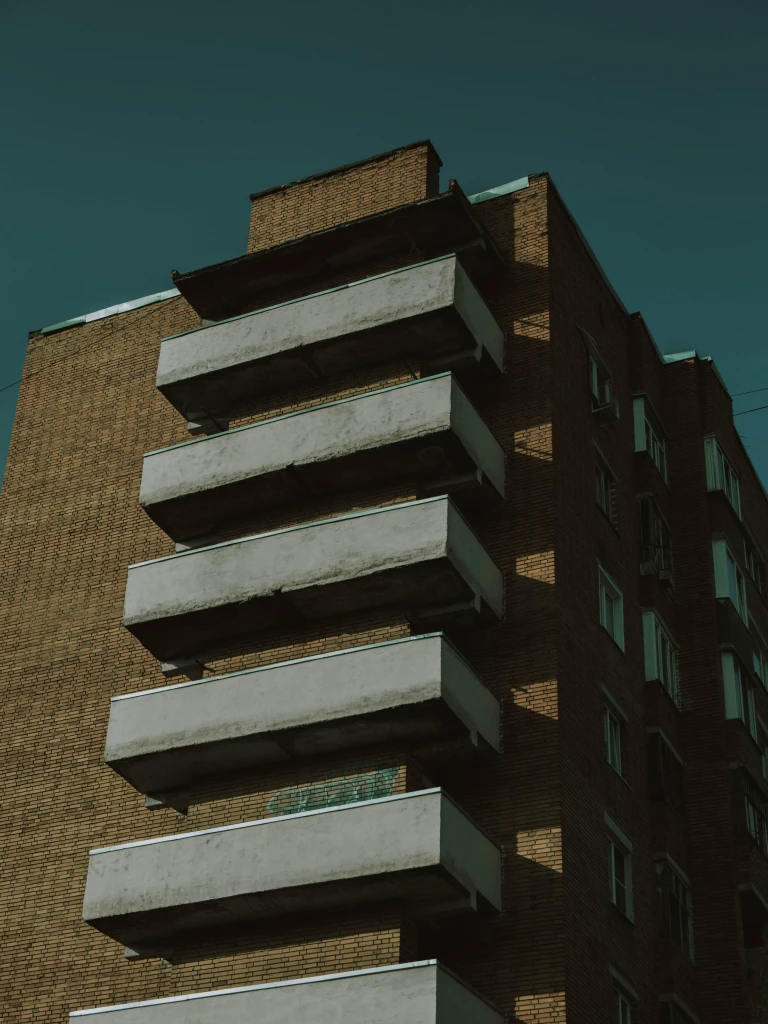
Anything attached to the exterior of the walls, such as balconies; and
All doors between the domestic premises and any common parts.
Because the structural and external walls are shared by the dwellings within the building, they must be assessed for fire risk, regardless if there are any communal areas in the building.
the Responsible Person must carry out and regularly review a suitable and sufficient fire risk assessment. The assessment should identify fire hazards, evaluate risks to residents and visitors, and recommend any necessary precautions.
Building management issues when fire regulations are overlooked
In large blocks of flats, professional managing agents usually handle fire safety seamlessly. However, in small blocks—particularly those where leaseholders own a "share of the freehold" and manage the building themselves through a management company—compliance is often overlooked.
Many freeholders and leaseholder-directors do not fully appreciate their legal obligations. Because their small block might lack shared internal hallways, they often wrongly assume they are exempt from the legislation. As a result, they neglect their statutory duty to commission an FRA for the structural and external parts of the building.
When a leaseholder-owned management company holds the contractual obligation to maintain and repair the structure of the building, this management company will be the "Responsible Person". Failing to arrange an FRA means the management company is in breach of fire safety legislation, leaving the building non-compliant and potentially putting residents at physical risk.
Although the legal duties generally fall on the Responsible Person, leaseholders may still be affected. Fire risk assessments can lead to recommendations for works such as:
Replacement of non-compliant fire doors;
Installation or upgrading of emergency lighting;
Improvements to fire detection systems;
Removal of combustible materials from communal areas; or
Remedial works to the building structure or external walls.
The cost of these works may, depending on the terms of the lease and applicable legislation, be recoverable through the service charge.
How these issues can effect the purchase or sale of a property
While neglecting an FRA is a safety issue, the consequences most often come to light when a leaseholder tries to sell their property.
When you buy or sell a leasehold flat or maisonette, the buyer’s solicitor and their mortgage lender will check that the building is managed correctly. If the freeholder or managing agent has failed to obtain a legally required FRA, it will be flagged during the conveyancing process.
A missing FRA is often a red flag for mortgage lenders, who will often refuse to release funds on a building that does not meet statutory fire safety standards. This can lead to delays or cause a property sale to fall through entirely. If the FRA is missing for the property you are buying or selling, the Responsible Person (whether that is a third party freeholder or the leaseholder-owned management company) will be forced to commission an assessment and undertake any necessary remedial works.
Owners and managers of small blocks of flats should not assume that fire safety obligations only apply to larger developments. Modern fire safety legislation imposes significant duties on those responsible for managing residential buildings, including the requirement to undertake and regularly review fire risk assessments. Early identification of risks and prompt implementation of recommendations ensures that legal obligations are complied with and property sales are not jeopardised.